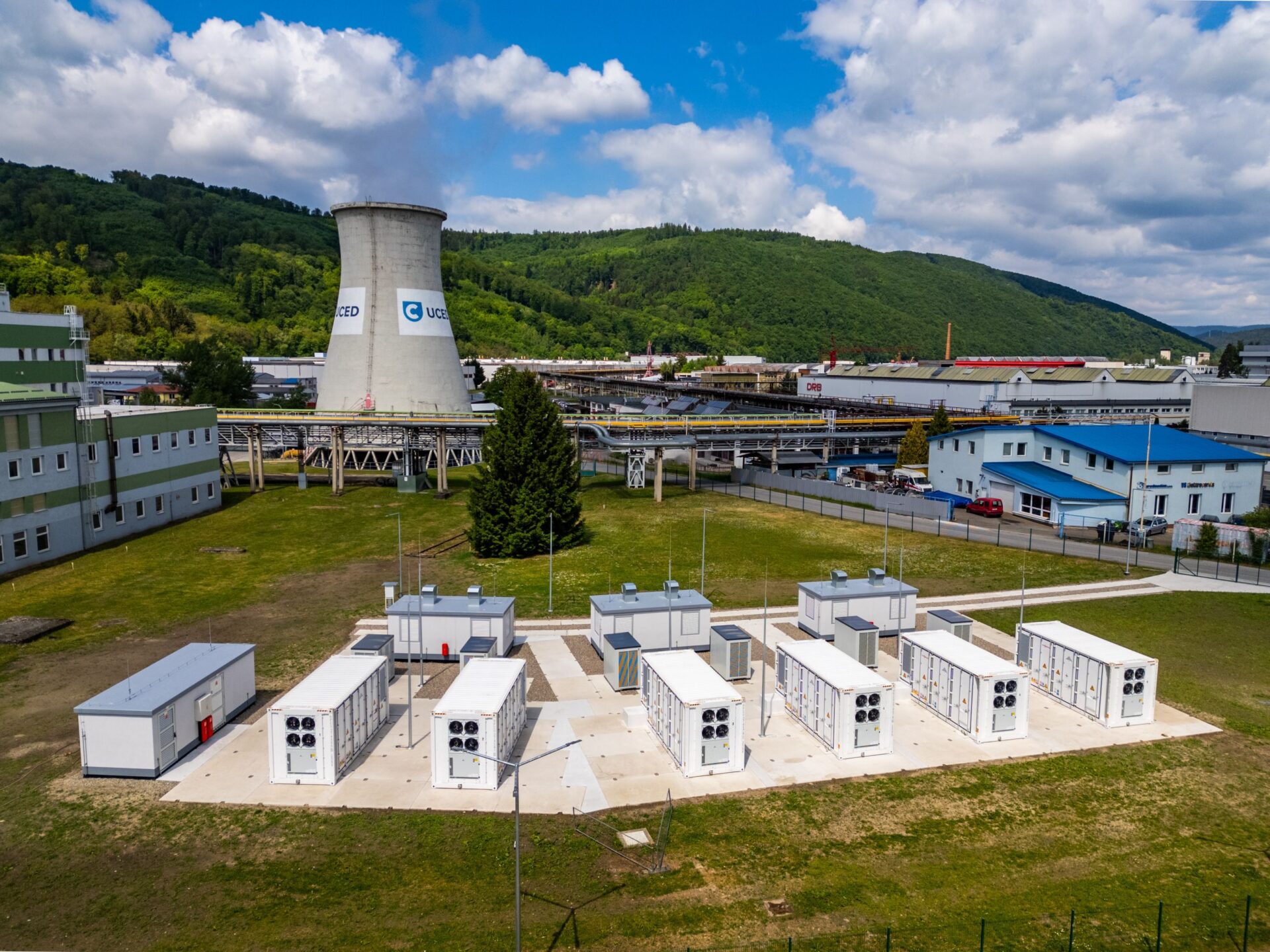
UCED Tepláreň Považská Bystrica is one of the leading producers of electricity and heat in Slovakia. Its generation source is a combined-cycle gas turbine plant with a nominal capacity of 58 MWe and 47 MWt.
Heat production in Považská Bystrica is carried out through the cogeneration of heat and electricity using a combined-cycle gas turbine process. This method of production, which supplies heat to more than 8,500 households and businesses in Považská Bystrica, is one of the most environmentally friendly and efficient ways of generating energy.
The heating plant generates 280,000 MWh of electricity and 120,000 MWh of heat annually.
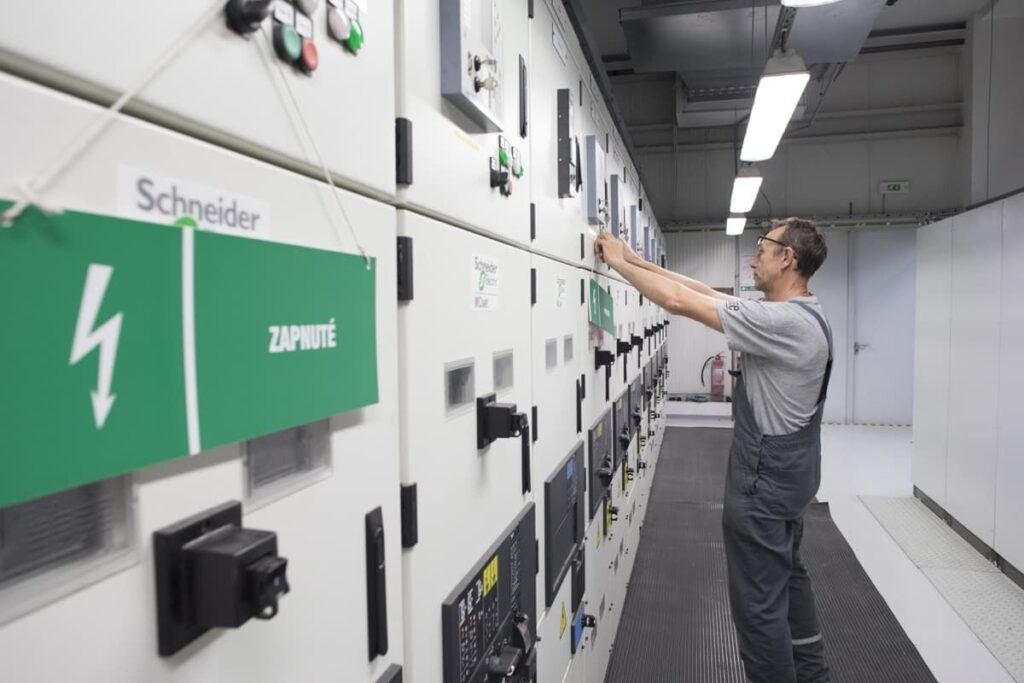
What led the heating plant to implement a new information system?
- Absence of asset management and maintenance software.
- Most processes operated using spreadsheet-based formats.
- Paper-based record of services performed
- The subsequent recording and processing of documentation required a significant amount of time and effort from the foremen.
- Lack of an option to record data directly at the machine – a mobile app was missing.
- Generating outputs, reports, and dashboards was significantly more complex without a unified system.
- Preparing for meetings was more time-consuming and laborious.
How did the implementation proceed?
Collaboration between our teams began in 2023 with a series of commercial and technical meetings that defined the project framework and expected deliverables. The initial detailed analytical discussions took place in the spring of 2024; during these sessions, we jointly conducted a thorough analysis of the current maintenance status and identified potential solutions and optimizations suitable for implementation within the EAM system.
The solution design phase followed the completion of the analysis stage. The heating plant continuously provided the necessary data for implementation, which our team processed, validated, and subsequently imported into the system. The project focused on comprehensively covering areas such as operational maintenance, preventive maintenance, specialized technical equipment, and warehouse management. Each module was tailored to the customer’s specific requirements to accurately reflect their internal processes while simultaneously offering opportunities for modernization and improvement.
Once the system’s functional structure was established, an extensive testing phase followed. Users verified the functionality of individual modules, process flows, and the user experience. Based on their feedback, we further fine-tuned the system and implemented necessary adjustments.
Following the successful completion of the testing phase, the system was deployed into production. All personnel were trained, and the system became part of the maintenance team’s actual daily operations.
Over time, and with the growing volume of data, the solution naturally expanded to include new functionalities. Modern dashboards, comprehensive reports, and various add-ons were introduced, providing users with better insights into equipment status, intervention efficiency, and maintenance planning. Among the project’s most advanced features were the implementation of automated work order generation and the evaluation of data availability from the D2000 MES system. We collaborated closely on this aspect of the solution with IPESOFT, the company that manages the MES system.
The result of the collaboration is a comprehensive, functional, and adaptable maintenance system that supports the organization’s current needs while providing a solid foundation for its future development.
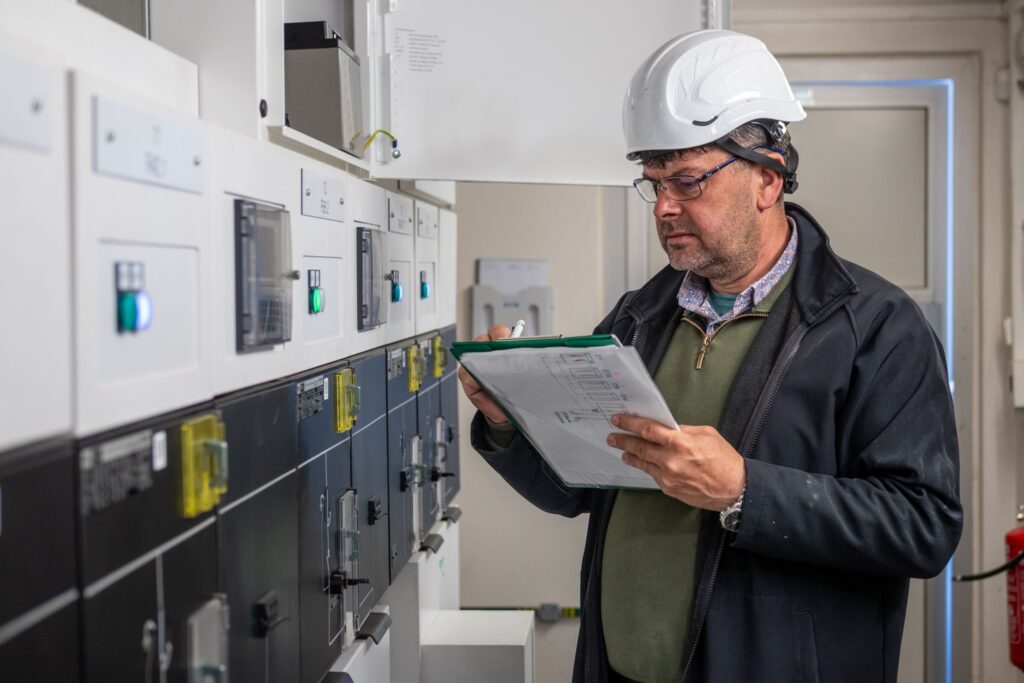
What are the main benefits of implementing a maintenance information system at UCED Tepláreň?
Jednotný a ucelený systém údržby – všetky kľúčové procesy, informácie a nástroje pre riadenie údržby sa nachádzajú v jednom prostredí. Tento centralizovaný prístup zjednodušuje prácu, zvyšuje prehľadnosť a podporuje efektívne rozhodovanie.
Mobile maintenance – using a mobile app, workers can perform tasks directly at the machine, instantly log work performed, document equipment status, and add photos. This reduces response times and increases the accuracy of records.
Modern, paperless operations – all records are processed electronically, eliminating the need for paper-based administration and manual data re-entry. The system saves time, minimizes errors, and reduces costs associated with manual processes.
Centralized documentation – complete technical and operational documentation is available in one place, instantly and from anywhere. Maintenance staff, technicians, and managers always have access to the up-to-date information needed for decision-making and planning.
Instantly available reports and clear dashboards – up-to-date data is visualized through summaries and charts, providing management with a quick and clear overview of maintenance performance, equipment status, costs, and planned activities.
More targeted item issuance and more efficient warehouse management – the system provides better control over the dispensing of spare parts, reduces the risk of errors, and simplifies the work of warehouse staff through precise record-keeping, inventory tracking, and a clear structure of warehouse operations.
Room for further development – the solution is open and scalable. It allows for the addition of new modules, the expansion of functionality, and the adaptation of the system to the organization’s changing needs as part of its ongoing digital transformation.